
Finding the balance between screens and human connection
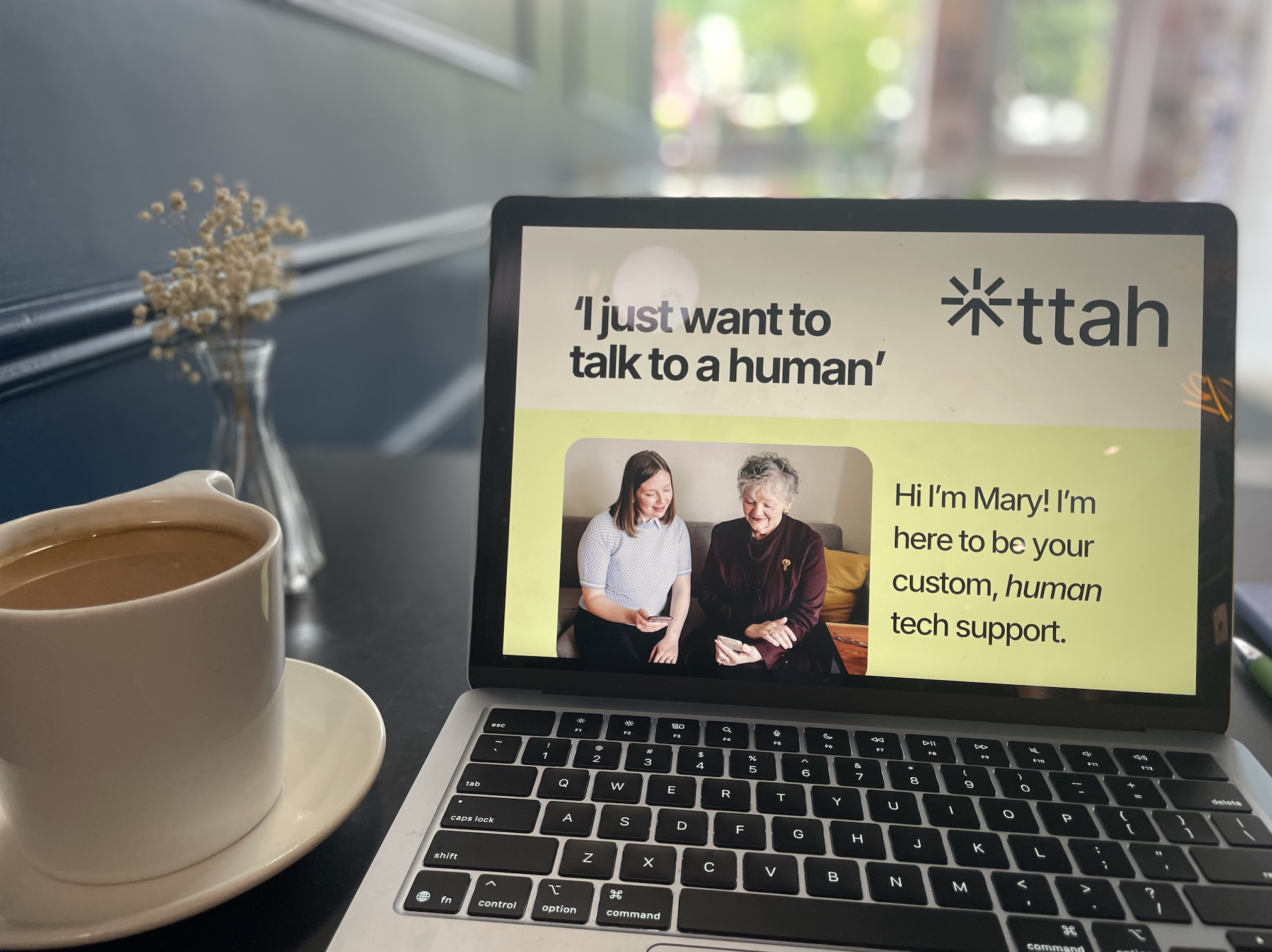
I’ve been having a lot of coffee shop meetings lately. Usually I open my laptop right away and get straight into work. But recently I’ve started trying something different. I arrive a little early and keep all my devices closed for the first 15 minutes.
Something interesting keeps happening. I end up in a great conversation with someone I’ve never met.
I’ve traded book lists with someone who loves the same novels I do. I met a woman who worked as a data analyst in the 1970s, the only woman on her entire floor. I talked about baking with a regular in a town I had never visited before. None of these moments were planned. They happened simply because I wasn’t behind a screen.
What surprised me is how technology helped continue those conversations afterward. A quick email to share the book list. A recipe sent later that afternoon. The in‑person spark made the connection feel real, and technology helped keep it going.
The in‑person spark made the connection, and technology helped keep it going.It reminded me of something Heart and Soul Story's Samantha Heron wrote in a recent post:
“What if intergenerational connection wasn't something we had to create a “program” for, but was simply part of how we lived?”
We often talk about third spaces as places for innovation or collaboration, but I am starting to think they are just as essential for intergenerational connection. And when used intentionally, technology can help those moments continue.
If you’re curious, this piece by Project for Public Spaces is a great read on the importance (and decline) of third spaces.
